
Huver Castillio: Nariño, Colombia
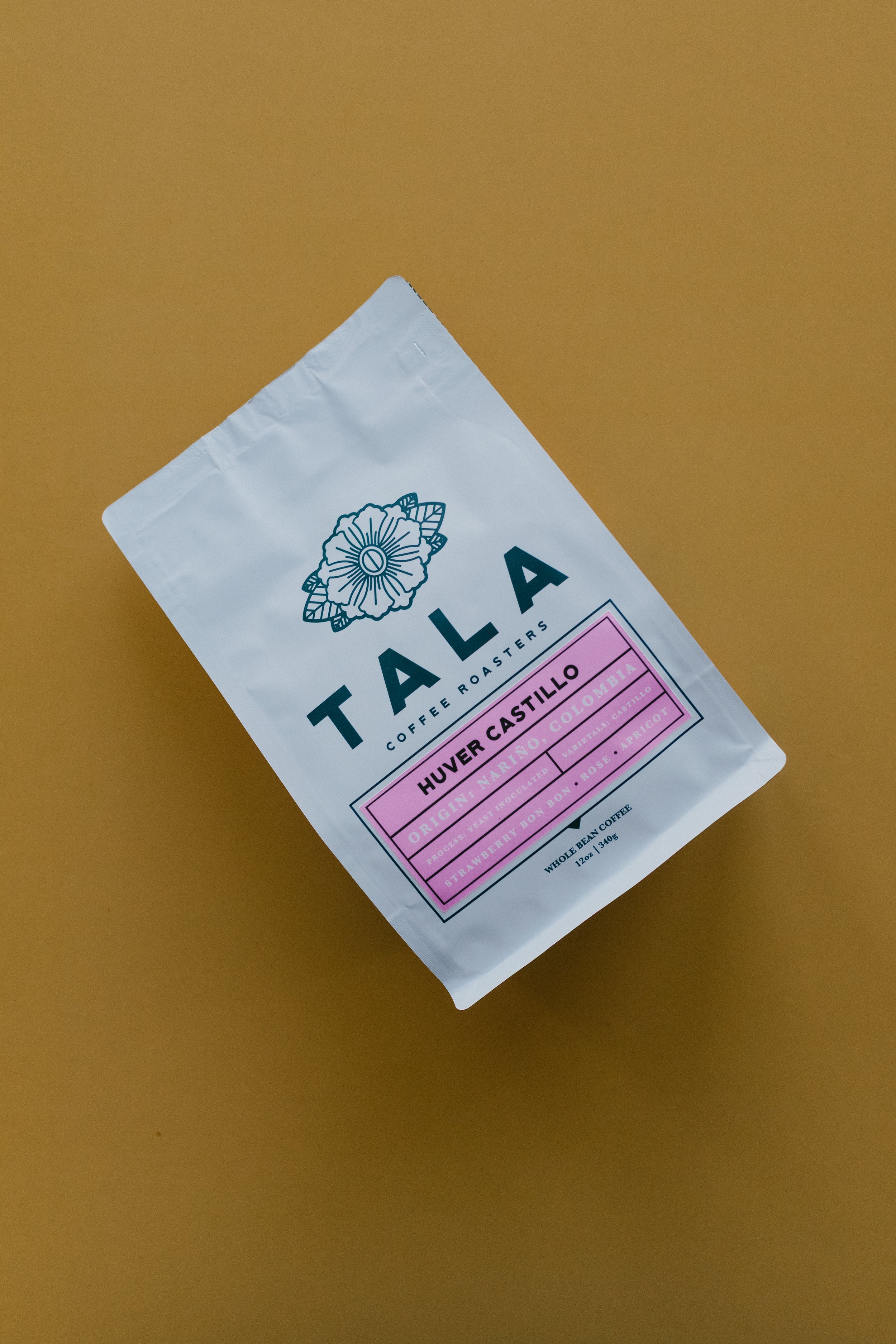
If you’re someone who likes a coffee with a little personality, meet one of our newest releases, Huver Castillo. This vibrant coffee from Nariño, Colombia, is the kind of cup that makes you stop and think. With notes of strawberry bonbon, rose, and juicy apricot, this coffee is sweet, floral, fruit-forward, and wildly expressive. But what makes it especially interesting is the story and the experimentation behind it.
A Second-Generation Coffee Grower
Huver Castillo is a second-generation coffee producer from Colombia. His father, Isidro Castillo, has farmed La Golondria for more than 45 years, giving Huver a pretty strong foundation in coffee from the start.
But Huver has always been interested in doing things a little differently. In 2015, after years of seeing the challenges that came with low coffee prices, Huver decided to focus exclusively on specialty coffee. The goal was simple: produce higher-quality coffee that could command higher prices and, ultimately, make it possible to keep producing coffee.
Today, Huver farms at around 1,680–1,800 meters above sea level, where the combination of altitude, climate, and careful processing helps bring out the incredible character of his coffees.
When Coffee Meets Wine, Beer & Cheese
Huver’s curiosity doesn’t stop at growing coffee. He’s particularly interested in fermentation and how it can influence what ends up in the cup.
For four years, he studied fermentation across all kinds of products, from wine and beer to cheese, looking at the different ways microorganisms, temperature, and time can change flavor. In 2019, that curiosity led Huver to develop his own fermentation protocol for La Golondria. This is where things get really interesting — rather than treating fermentation as something that simply happens during processing, Huver approaches it as something that can be carefully controlled and intentionally used to shape the coffee’s flavor.
A 12-Day Fermentation
For this particular lot, the coffee cherries are first cleaned, washed, and depulped. From there, Huver introduces bacteria and yeast before the coffee goes into fermentation tanks. The coffee then ferments for 12 days, with key variables like temperature and pH carefully monitored throughout. Once fermentation is complete, the coffee is washed and sent to the drying silos. It’s a pretty involved process, but that level of control is intentional. Huver has spent years developing his protocol to create coffees that are not only expressive, but also consistent from lot to lot, and you can taste that work in the cup.
So, What Does It Taste Like?
The short answer: a lot of fun. This coffee opens with the nostalgic sweetness of strawberry bonbons, followed by soft, decadent rose florals and the juicy acidity of ripe apricot. It’s bright without being overwhelming, floral without becoming perfumey, and seriously sweet. There’s a clarity to the cup that lets each of those flavors come through while still feeling balanced and approachable. It’s the kind of coffee that reminds us why processing can be just as fascinating as the coffee itself. The variety, growing conditions, and terroir all matter—but the choices a producer makes after harvest can completely transform how those qualities show up in your cup.
A Coffee With a Future
Huver is still relatively young in the world of coffee production, but his approach shows what can happen when curiosity, experimentation, and a willingness to try something new come together. His work at La Golondria is helping create specialty coffees with a distinct personality while giving him the consistency and quality needed to continue investing in his farm. And honestly, we’re pretty excited to be along for the ride.
If a good story, strawberry candy, rose petals, and apricot sound like your kind of party, this one is for you! ☕️🍓🌹