

The Tala Blog

Featured Article
The Return of the Baklava Latte
It started as an experiment, and now it’s the drink our regulars refuse to let us take off the seasonal menu. The beloved Baklava Latte was formerly an exclusive drink at our Libertyville café, but it was met with such rave reviews that we knew it needed a semi-permanent spot on the seasonal menu at all of our cafes.
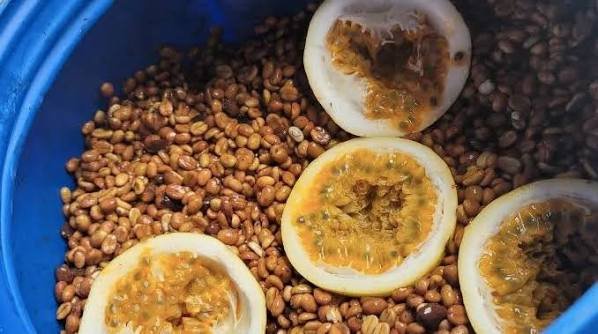
Coffee Co-Fermentation Explained
Unlike traditional processing methods, co-fermentation intentionally introduces additional ingredients during fermentation. Whether you're already a fan of fruit-forward coffees or you're trying co-fermentation for the first time, these unique coffees are a delicious reminder that every step of the coffee journey plays a role in what's ultimately in your cup.

Naturally Processed Coffee: What is it?
A naturally processed coffee is one of those things that sounds a little intimidating until you realize it’s actually pretty simple. It’s not flavored coffee, and it’s not some overly technical coffee-world secret. It’s just a different way of handling the coffee cherry after it’s picked, and it has a huge impact on how the coffee tastes in your cup.
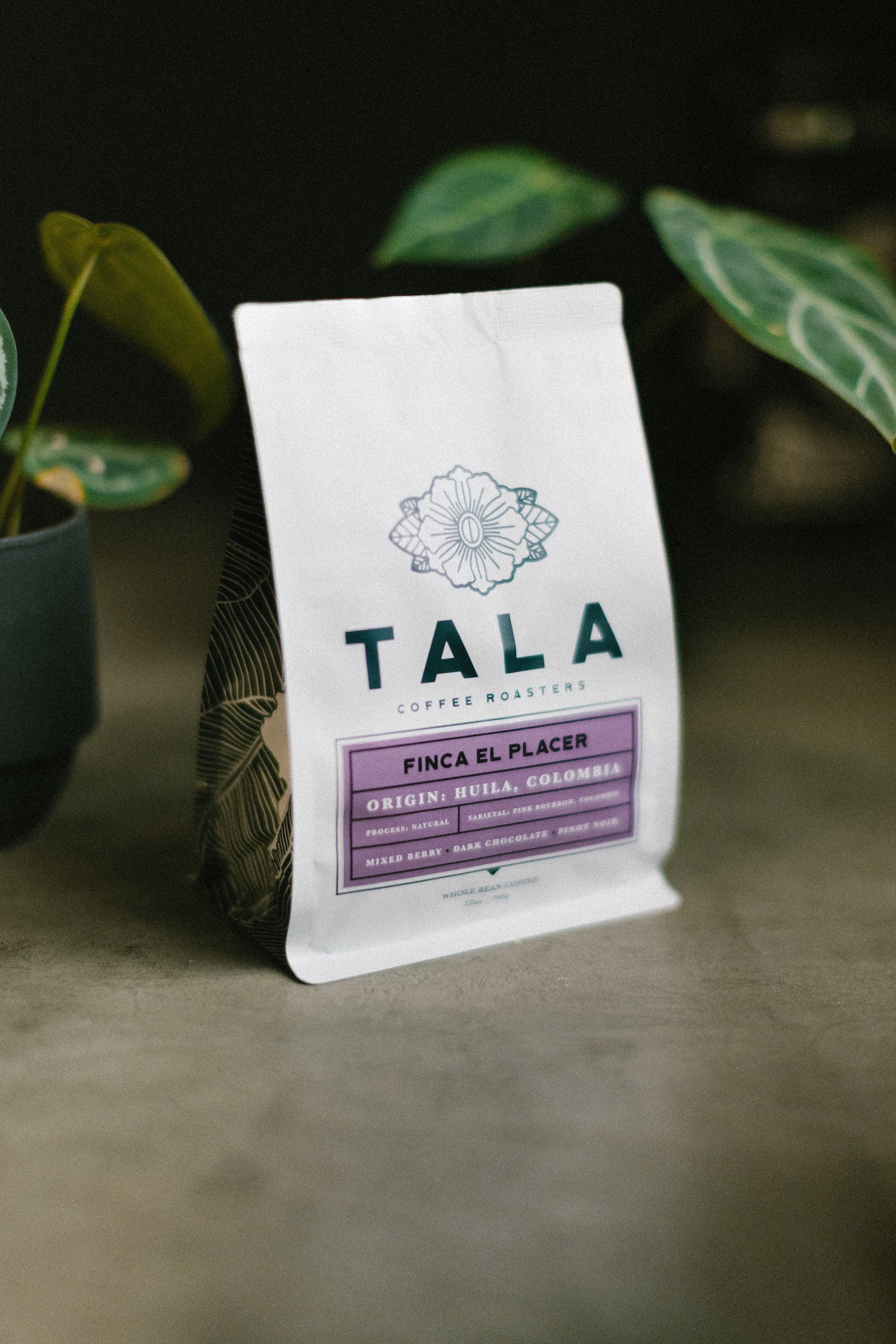
Finca El Placer: Huila, Colombia
Finca El Placer is a big name in coffee, and for good reason. Tucked into the high-elevation terrain of Acevedo, Huila, this distinguished farm has become synonymous with meticulous craftsmanship, vibrant flavor, and some of the most exciting Pink Bourbon lots in the industry. At the heart of it all is producer Jesús Arbey Iquira, a name celebrated by coffee professionals around the world for his precision, dedication, and deep understanding of his land.

Mauricio Salaverria: Ahuachapan, El Salvador
Mauricio Salaverria has built a reputation for producing some of the most vibrant and beautifully balanced coffees in El Salvador, and this latest natural-processed lot is no exception.

Dueling Processes: Washed vs Natural
It isn’t every day that you get the chance to see how distinctly the processing method can change the flavor of a coffee. We are excited to offer both washed and natural versions of our Chelbesa Washing Station coffee on our online store. This unique opportunity allows you to explore and appreciate the diverse flavor profiles that result from different processing techniques.

Guji: Shakiso, Ethiopia - Washed Process
At the beginning of the Summer we got a natural processed Guji Shakiso coffee on the shelves that has been a big hit. Recently, we got a hold of the same coffee, from the exact same farm, with the only traceable difference being process. This Guji Shakiso is a washed coffee—our team’s favorite process—and has many similarities to the natural Shakiso, but the difference in processes makes for a unique contrast of the two crops. This Guji is praised for its light chamomile flavor with deep lemon curd and clover honey sweetness. If you tried our other Guji, make sure to try this one to compare and contrast the processes.