
Coffee Acidity Explained
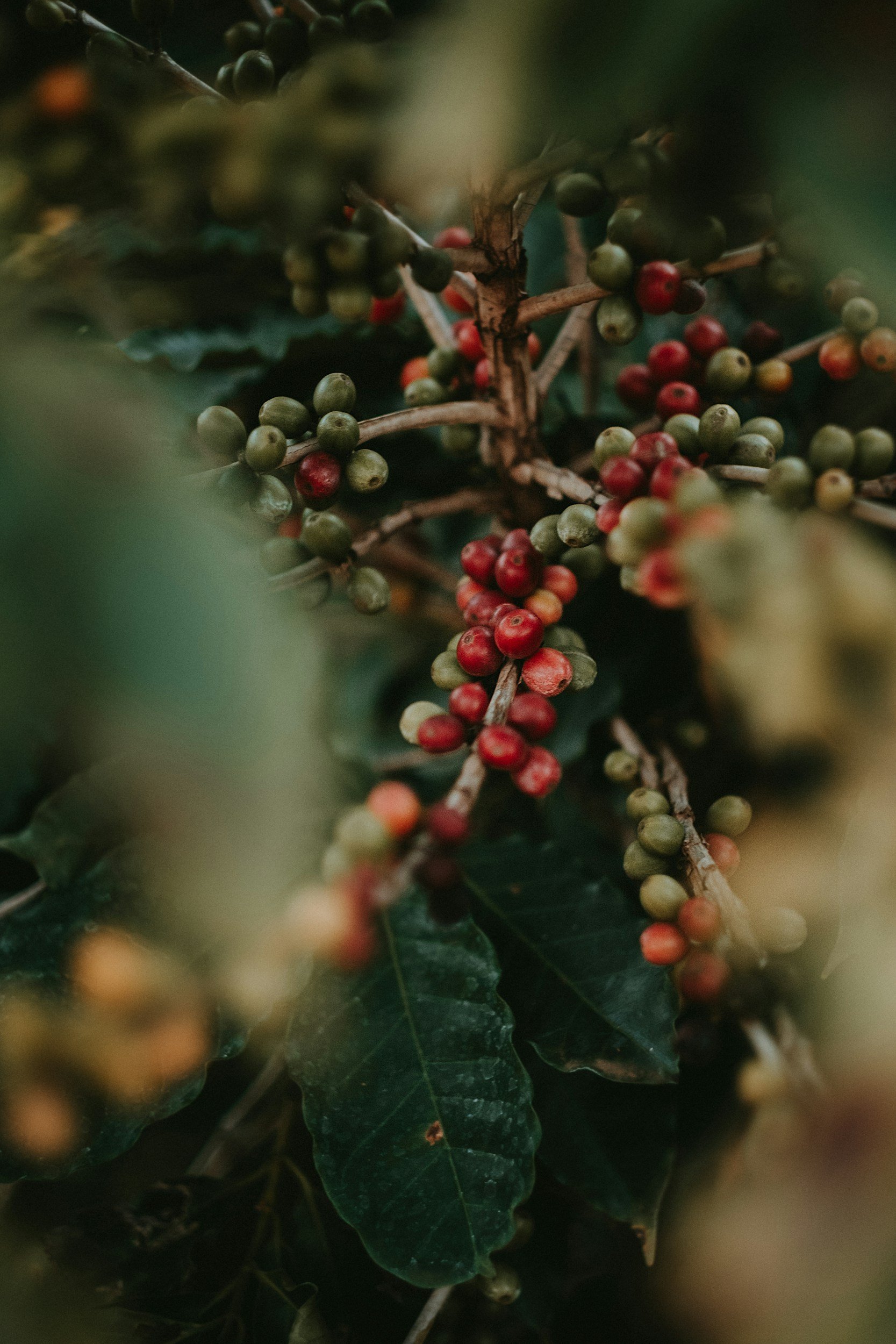
Why Your Coffee Tastes the Way It Does
The word acid comes from the Latin acidus, meaning sour. And if you have ever bitten into a lemon or sucked on a Warhead, you already understand acid on a visceral level.
When we describe a coffee as "acidic”, we’re not warning you that it will make you pucker. We’re telling you that the coffee is alive. That it has something to say.
First, what is acidity, actually?
Acidity is measured on a pH scale that runs from 0 to 14. A pH of 7 is neutral, that is, pure water, sitting perfectly in the middle. Anything below 7 is acidic. Anything above is alkaline.
One thing to note, the pH scale is logarithmic. That means each step is an order of magnitude different. A pH of 4 is ten times more acidic than a pH of 5. A pH of 3 is a hundred times more acidic than a pH of 5.
So where does coffee land? Most coffee sits around a pH of 4.8 to 5.1. A "low acid" coffee might come in around 5.5. For context, a banana averages at around 5. A tomato sits at around 4.5. Wine and beer average around 4. An apple or a can of soda comes in at 3. On the grand scale of things, you put in your body, coffee is about the same acidity as a banana.
So technically, yes, all coffee is acidic. But so are tomatoes and bananas, so why does coffee taste so different?
The nine acids in your cup
Coffee contains hundreds of chemical compounds, more than four times as many as a glass of wine. But when it comes to acidity and flavor of coffee, nine organic acids do most of the heavy lifting:

Citric, malic, Chlorogenic, acetic, lactic, phosphoric, quinic, formic, and glycolic (there is some dispute on which acids should be included in this list, but I am referencing this particular study).
Each one contributes differently to what you taste. And the concentrations of these acids shift depending on where the coffee was grown, how it was roasted, and how it was brewed. Different combinations create entirely different flavor experiences; one coffee might taste citrusy and bright, another tangy and wine-like, another soft and round.
The roast
When green coffee goes into a roaster, the heat triggers a cascade of chemical reactions that alter the acid composition of the coffee. Some acids break down. Others form.
Light roasts are roasted to around 356–401°F and pulled relatively early. They retain more of the bean's original chemical structure, including the acids that give them their characteristic brightness and complexity. This is why a well-roasted light roast from Kenya or Ethiopia can taste almost fruit-like. The acidity is doing the work.
Medium roasts hit temperatures between 410–428°F. The acids start to break down and transform. Chlorogenic, citric, and malic acid, the ones associated with brightness, decrease. The result is a more balanced cup that is less sharp and more rounded. This is why medium roasts tend to be the crowd pleaser.
Dark roasts push beyond 464°F. By this point, most of the bright acids have degraded significantly. Quinic acid, which contributes bitterness more than sourness, increases. The dominant flavors come from the roasting process itself rather than the original bean.
There is another fascinating wrinkle in the roasting process that the research supports: the perceived sweetness of coffee changes with roast level even though the actual sugar content does not change much between light and medium roasts. In other words, what you taste and what is chemically present are not always the same thing. Your brain is doing a lot of interpretation work that the pH meter cannot capture.
A quick note on the research: some of the studies I reference define roast levels differently than you might find in a specialty coffee context. What food scientists classify as a "dark roast" in a lab setting can fall closer to what specialty roasters would call a medium or even medium-light roast. The roasting curves, temperatures, and development times do not always align between academic and industry standards. The directional findings still hold, lighter roasts tend toward higher perceived acidity, darker roasts toward lower, but the specific thresholds are worth taking with a grain of salt until more research is done using industry-standard roast profiles.
Origin
The specialty coffee world has long held that you can identify a coffee's origin based on its acid profile. Kenyan coffee is famously described as highly acidic and bright, almost aggressive. Brazilian coffee is often described as low-acid, nutty, and chocolatey.
Kenyan coffees in some studies showed lower concentrations of citric acid than the Brazilian ones, which should make them taste less acidic, not more. And yet tasters consistently perceive Kenyan coffee as brighter and more acidic.
My question was, “Why would that be?”
The answer is that perceived acidity is not a simple chemical readout. It’s a full sensory experience. Aroma plays a role, too. The fruity, floral notes common in Kenyan coffee (that come from the chemical makeup) may trigger the perception of acidity even when the chemical reality is more ambiguous. Mouthfeel, temperature, bitterness, and even serving temperature all influence how acidic a coffee seems. The research suggests that we should be looking at acidity in coffee as a more holistic concept rather than individual acids that you may find in the cup.
Brewing method
Even after you have selected your bean and your roast, the method you use to brew it will shape the acidity in the cup.
From least acidic to most acidic: cold brew, espresso, French press, drip, or pour over.
Cold brew is at the bottom of that list for a reason. Brewing with cold water over a long period of time extracts differently than hot water; it pulls fewer of the acidic compounds, resulting in a smoother, lower-acid cup. This is why cold brew tends to feel so mellow, even when it is made from a light roast that would taste quite bright when brewed hot.
French press, interestingly, is closest to the cupping method used for professional coffee evaluation, hot water poured directly over grounds, which is then allowed to steep. It produces a full extraction that captures the coffee's acid profile quite well.
If you want less acidity
If you find high-acid coffee uncomfortable or are sensitive to it, here are the most effective adjustments:
Reach for a dark roast. Or try cold brew. Both significantly reduce perceived and measured acidity. Adding milk or cream raises the pH of the cup and “rounds out” the sharp edges. A pinch of salt does something similar by suppressing bitterness and smoothing the acidity. Brewing with alkaline or calcium-enriched water is the more technical version of the same idea.
Acidity
There is a concept in flavor science that acidity is not just one flavor among many. It is a structural element. It is what makes other flavors pop. It balances and can cut through heaviness, bringing a cup into focus.
Without acidity, coffee can taste quite flat. When you hear a barista describe a coffee as lively, or bright, or vibrant, this is what they are often reaching for.
Next time you are in one of our cafes, you can try this: taste two coffees side by side. A light single-origin pour-over (or our Big Juice summer blend), and our cold brew. Notice what the brightness does in the light roast. And then notice how smooth the cold brew tastes.

Mike Michalak
Meet Mike, a suburban native with a passion for storytelling, art, and the outdoors. You’ll find him at our Libertyville Roastery, where he serves as Wholesale Manager and Events Coordinator, connecting with cafe partners and helping bring community gatherings to life. When he’s not working on events or sipping a fresh roast, Mike enjoys hiking, backpacking, and biking, or relaxing with his favorite vinyl and an espresso.