
Is It Coffee… Or Sangria?
A guide to coffee fermentation
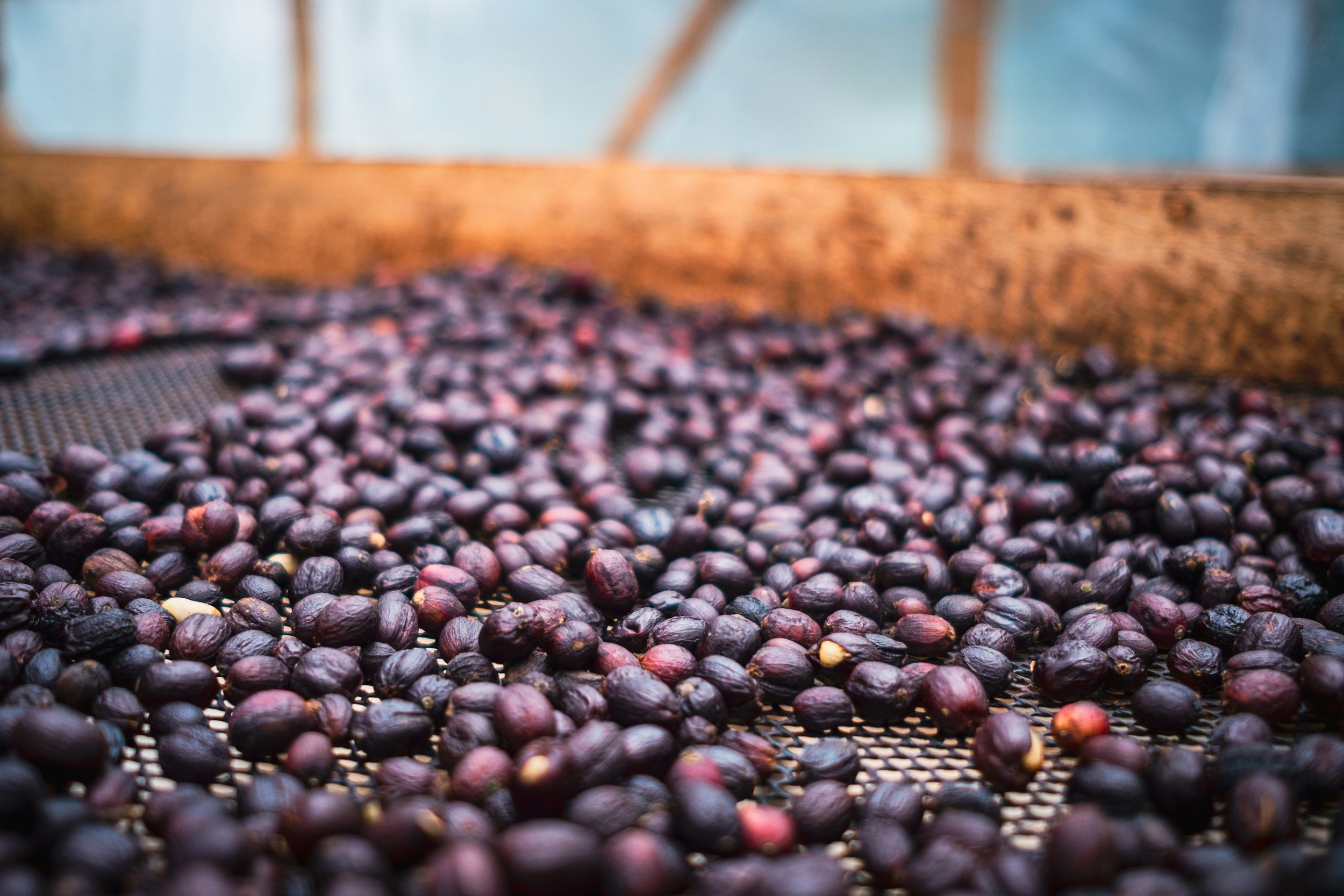
The first time someone explained coffee fermentation to me, I nodded politely in the way people do when they absolutely do not understand what’s happening, but would still like to appear employable in a specialty coffee setting.
“Oh wow,” I said.
“That’s so interesting.”
It was not interesting to me. I was still reeling at the use of “funky”, “tropical”, and “acidic” in one sentence to describe the coffee I just sipped. At the time, I was under the impression coffee tasted like… coffee. Maybe chocolate if things got exciting. But that was about it in my world. All of the sudden, people around me were tasting pineapple, strawberry jam, rosé, and something called “stone fruit.” Which, to be honest, sounds less like a coffee note and more like a rock. And yet, the deeper I got into coffee, the more I realized fermentation is responsible for some of the most interesting flavors we experience in our morning cup of joe. Which means it’s highly likely your favorite coffee got a ~little weird~ before it got roasted (in a beautifully controlled way, of course).
Don’t forget, coffee is a fruit.
This feels important to establish because coffee spends most of its life marketed as a bean, when in reality it begins as a cherry growing on a tree. Inside that cherry are the seeds we harvest, roast, and brew. But before those seeds can become coffee as we know it, the fruit surrounding them has to be removed. And this is where fermentation enters the equation.
During fermentation, naturally occurring yeast and bacteria begin breaking down the sugars and sticky fruit material around the coffee seeds. It’s a mixed bag of science, agriculture, and faith. And if this sounds familiar, it’s because fermentation actually plays a pretty significant role in our diets.
Beer? Fermentation.
Wine? Fermentation.
Kimchi? Fermentation.
Sourdough bread? Extreme fermentation.
At this point, the human race is basically letting microorganisms freelance in our kitchens and crossing our fingers. Thankfully, coffee producers are significantly more qualified than your Facebook friends who attempted sourdough baking during the pandemic or your favorite wellness influencer urging you to support your “gut health”.
The overlap of brewing beer and fermenting coffee
Beer starts with sugar and yeast. The yeast consumes those sugars and creates flavor. Coffee fermentation mirrors this, except instead of producing alcohol, the process helps shape the final taste of the coffee itself.
Different fermentation methods can make coffee taste:
bright and citrusy
jammy and fruit-forward
floral and delicate
wine-like
deeply sweet
Some producers now use highly controlled fermentation tanks that honestly look like they were taken from the back of a brewery. They monitor oxygen levels, temperature, timing, and microbial activity with an almost alarming amount of precision. And much like craft beer, there’s now an entire spectrum of fermentation styles in coffee: washed, natural, and anaerobic processes.
Sourdough is a bit more relatable.
Mostly because fermentation in coffee feels a little whimsical in the same way sourdough does. You can follow the exact same process in two different places and still end up with completely different results because the environment itself changes things. If you’ve ever tried your hand at making sourdough or know someone who has (let’s face it - it becomes our personality for better or worse), you may know that temperature, humidity, time, and local microorganisms matter.
Which means coffee fermentation becomes deeply connected to place. The same coffee variety processed in Colombia will taste different than one processed in Ethiopia or Kenya because the surrounding environment influences fermentation itself. This is both fascinating and slightly unsettling when you remember tiny invisible organisms are responsible for your “notes of raspberry tart.”
There’s also a specific type of coffee person who becomes attached to fermentation methods after learning this information. They start saying things like:
“This naturally processed coffee has unbelievable complexity.”
And before you know it, that person might become you.
The balancing act of fermentation.
Too little fermentation and the coffee can taste flat or underdeveloped. Too much fermentation, and suddenly the cup tastes like a spoiled piece of fruit you discovered in the back of your fridge. There’s a sweet spot. When producers get it right, fermentation can create crazy cool coffees. With notes of sangria, sour candy, or blueberry pie. Which begins to feel unfair, honestly. Because now your typical coffee has to compete with that.
Coffee fermentation reminds us that coffee isn’t a static product. It’s nature vs. nurture. A multitude of things are interacting all at once. A cappuccino will always be a cappuccino. But fermentation ensures coffee itself never becomes one-dimensional.
Just know that by the time the coffee reaches your cup, you’re tasting the result of thousands of microscopic interactions that started long before roasting ever happened. Which is kind of incredible for something most of us consume half-awake in pajama pants. The next time you taste a coffee that reminds you of berries, tropical fruit, or wine, there’s a good chance fermentation played a major role in getting it there.
So if your coffee tastes a little funky sometimes, don’t worry. That’s probably on purpose.

Marissa Cummings
On staff at our Libertyville café, Marissa loves befriending customers and making the perfect cup of coffee. When not behind the bar, she is usually exploring new coffee shops, curled up with a good mystery book and a warm miel in hand.